
b&m-INOXFORM®
Corrosion resistant self-drilling and self-tapping screw for stainless steel applications
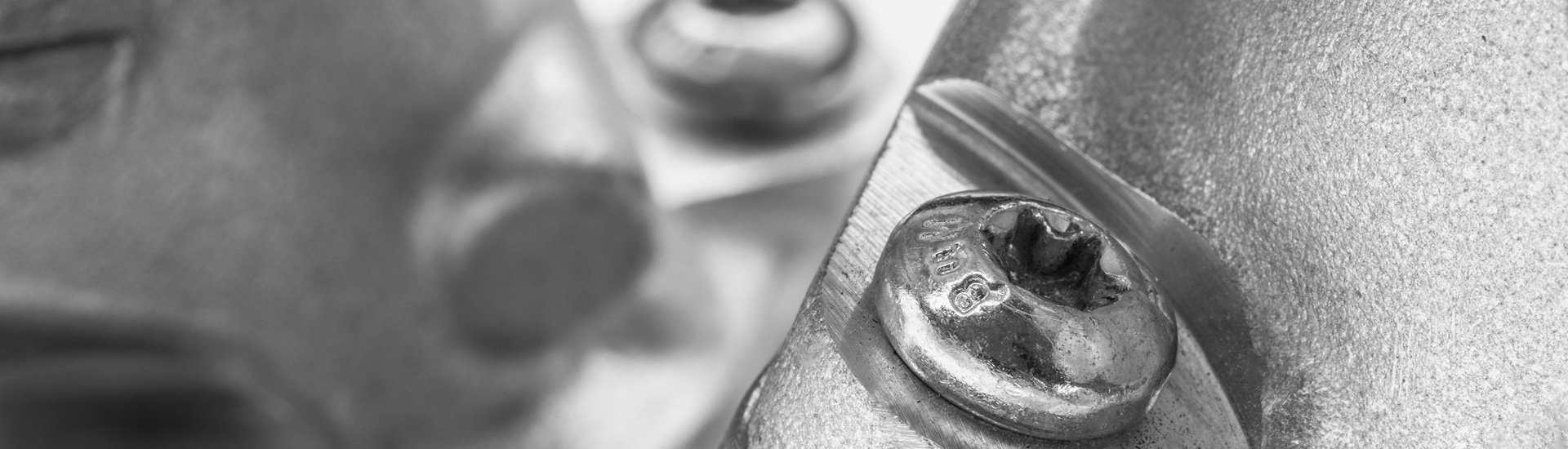
In direct screwing into metals, thread-forming screws create the thread directly during installation. Instead of cutting the material, thread forming displaces it chiplessly through plastic deformation. A continuous grain structure, work hardening, and full flank engagement ensure exceptional load-bearing capacity. The result is a metric ISO thread with zero clearance and inherent self-locking properties – additional locking elements are generally not required.
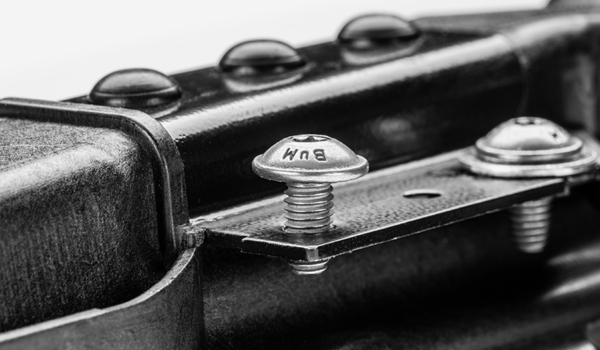
baier & michels offers a comprehensive portfolio of direct fastening systems for metals, specifically developed for industrial requirements.
Discover our systems here.Direct fastening into metals enables threads to be created directly in steel, stainless steel, aluminum, and die-cast materials without additional machining steps. Thread-forming screws create threads in plastically deformable materials. The process also demonstrates its strengths in multi-material applications, enabling reliable and cost-efficient joining of different metallic materials. The thread geometry compensates for angular misalignment during installation and simplifies assembly. The resulting metric ISO threads are standardized and ensure high load-bearing connections. Due to the zero-clearance thread formation and inherent self-locking, additional locking elements according to standards such as DIN 267-27/28 are often not required.
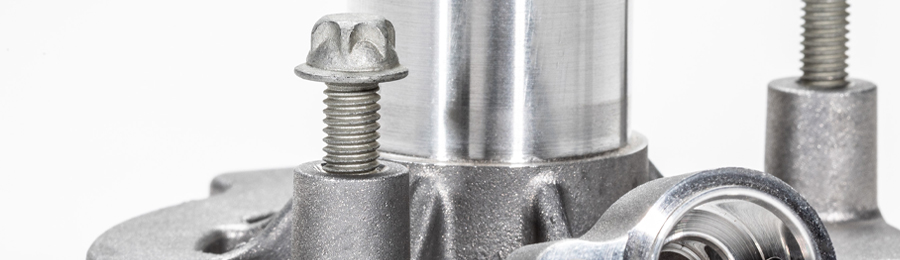
"Conventional direct screwing systems often use trilobular thread geometries, such as those found in Taptite® screws. These create targeted deformation zones but can lead to localized stress peaks in the component. In contrast, b&m primarily relies on circular thread geometry with full flank engagement, ensuring even load distribution. The result is higher load capacity, reduced material stress, and reliable assembly processes. This principle offers clear advantages in demanding applications and multi-material environments."
Reliable connections directly in metallic materials – for high performance and maximum process reliability.
Corrosion resistant self-drilling and self-tapping screw for stainless steel applications

Universally usable direct screwing system for all ductile metal materials

Direct screwing system specifically for thin sheet metal applications

Direct screwing system for high-stress applications
Discover our portfolio and choose the optimal solution for your specific application.
You are currently viewing a placeholder content from Facebook. To access the actual content, click the button below. Please note that doing so will share data with third-party providers.
More InformationYou are currently viewing a placeholder content from Instagram. To access the actual content, click the button below. Please note that doing so will share data with third-party providers.
More InformationYou are currently viewing a placeholder content from X. To access the actual content, click the button below. Please note that doing so will share data with third-party providers.
More Information